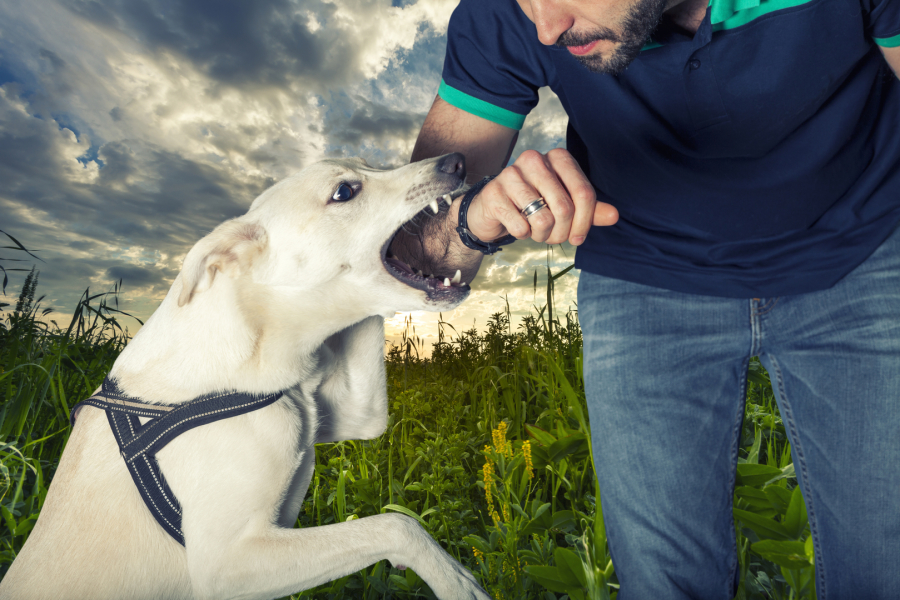
Dog Bites
-
Liability:The dog owner is usually the primary liable party, but it could also extend to others like dog walkers or property owners if they failed to control the dog.
-
Proving Negligence:You'll need to show the owner was negligent, meaning they failed to control the dog in a way that a reasonable person would have.
-
Evidence:Gather evidence like medical records, police reports, photographs of injuries, and witness statements to support your claim.
-
Compensation:Compensation could include medical expenses, lost wages, pain and suffering, and property damage.
-
Time Limits:Generally, there's a statute of limitations, often 3 years, from the date of the incident to file a claim, but this can vary.
-
Jurisdictional Variations:Laws regarding dog bite liability and compensation can differ significantly between states or countries.
-
Criminal Penalties:In some cases, if the attack is severe, the dog owner could face criminal charges, including murder in extreme cases.
-
Seeking Legal Advice:It's recommended to consult with a personal injury lawyer to discuss your specific situation and navigate the claim process.
-
Medical expenses:This includes costs for treating the bite, including emergency care, surgery, and ongoing therapy.
-
Lost wages:If the injury prevents you from working, you may be able to claim for lost income.
-
Pain and suffering:This takes into account the physical and emotional impact of the injury, including scarring and reduced quality of life.
-
Property damage:If the dog damaged your property, you may be able to claim for those costs.
SUMMARY OF NEW YORK LAW REGASUMMARY OF NEW YORK LAW REGARDING DOG ANIMAL ATTACKS
New York State uses a "mixed" dog bite law combining strict liability and negligence. Dog owners are strictly liable for medical and veterinary costs if their dog injures someone. For other damages (like lost wages or pain and suffering), victims must prove negligence or that the dog had "vicious propensities" and the owner knew it.
1. The Rules of Liability
Strict Liability for Medical Bills: Owners are automatically responsible for medical, veterinary, and hospital bills if their dog causes injury to a person, companion animal, or livestock. The only major defense is if the victim was trespassing, committing a crime, or provoked/goaded the dog.
The "One-Bite Rule" / Vicious Propensities: To pursue compensation for non-medical damages (pain and suffering, lost wages), NY traditionally applies a "one-bite rule". The victim must prove the dog had aggressive tendencies ("vicious propensities") and the owner knew—or should have known—about them. A prior bite is not strictly required; evidence can include growling, lunging, snapping, or attacking other animals.
Negligence Claims: In cases where the dog has no prior history of aggression, victims can also pursue a negligence claim if they can demonstrate that the owner failed to exercise "reasonable care" in controlling the animal.2. Dangerous Dog Classifications (NYS Ag. & Mkts. Law § 123)
If a dog attacks and causes physical injury or threatens someone, any citizen or animal control officer can file a formal complaint.
A judge will hold a hearing to determine if the dog is legally "dangerous". If declared dangerous, the owner must adhere to strict containment rules (e.g., muzzling, secure leashing). Penalties: If an owner negligently allows a previously declared dangerous dog to seriously injure a person, they can be charged with a misdemeanor, which is punishable by fines up to \(\$3,000\) and up to 90 days in jail.3. Statute of Limitations
In New York, you have three years from the date of the incident to file a personal injury lawsuit against a dog owner.
4. What to Do After an Attack
Seek Medical Attention: Even minor bites carry a high risk of infection. New York requires mandatory reporting of animal bites to the local Health Department to monitor for rabies. Report the Incident: File an official report with the police, local sheriff, or your city's animal control center. For example, in New York City, bites must be reported to the NYC DOHMH Animal Bite Unit.
Document Everything: Gather evidence of your injuries, take photographs of torn clothing, and get contact information from witnessesRDING DOG ANIMAL ATTACKS
New York State uses a "mixed" dog bite law combining strict liability and negligence. Dog owners are strictly liable for medical and veterinary costs if their dog injures someone. For other damages (like lost wages or pain and suffering), victims must prove negligence or that the dog had "vicious propensities" and the owner knew it.
1. The Rules of Liability
Strict Liability for Medical Bills: Owners are automatically responsible for medical, veterinary, and hospital bills if their dog causes injury to a person, companion animal, or livestock. The only major defense is if the victim was trespassing, committing a crime, or provoked/goaded the dog.
The "One-Bite Rule" / Vicious Propensities: To pursue compensation for non-medical damages (pain and suffering, lost wages), NY traditionally applies a "one-bite rule". The victim must prove the dog had aggressive tendencies ("vicious propensities") and the owner knew—or should have known—about them. A prior bite is not strictly required; evidence can include growling, lunging, snapping, or attacking other animals.
Negligence Claims: In cases where the dog has no prior history of aggression, victims can also pursue a negligence claim if they can demonstrate that the owner failed to exercise "reasonable care" in controlling the animal.2. Dangerous Dog Classifications (NYS Ag. & Mkts. Law § 123)
If a dog attacks and causes physical injury or threatens someone, any citizen or animal control officer can file a formal complaint.
A judge will hold a hearing to determine if the dog is legally "dangerous". If declared dangerous, the owner must adhere to strict containment rules (e.g., muzzling, secure leashing). Penalties: If an owner negligently allows a previously declared dangerous dog to seriously injure a person, they can be charged with a misdemeanor, which is punishable by fines up to \(\$3,000\) and up to 90 days in jail.3. Statute of Limitations
In New York, you have three years from the date of the incident to file a personal injury lawsuit against a dog owner.
4. What to Do After an Attack
Seek Medical Attention: Even minor bites carry a high risk of infection. New York requires mandatory reporting of animal bites to the local Health Department to monitor for rabies. Report the Incident: File an official report with the police, local sheriff, or your city's animal control center. For example, in New York City, bites must be reported to the NYC DOHMH Animal Bite Unit.
Document Everything: Gather evidence of your injuries, take photographs of torn clothing, and get contact information from witnesses
Contact Us
Villanueva Law Group
Phone:
New York Cases: 646-291-8989
Georgia Cases: 404-383-3290
NEW YORK OFFICES
224 W. 35th Street, Suite 500
New York, NY 10001
206-A Dryden Road
Ithaca, NY 14850
50 Central Plaza #115
Illion, NY 13357
GEORGIA OFFICES
2296 Henderson Mill Rd.
Suite 116
Atlanta, GA 30345
3166 Cherokee St. Suite 101
Kennesaw, GA 30144
4519 Woodruff Rd. #4
Columbus, GA 31904
Or use our contact form.
Office Hours
Monday - Friday 08:30am to 5:00pm
Saturday Appointments Available Upon Request
Closed Most Major Holidays
Reception Desk:
24 hours 7 days a week
 Print
Print 